

Skip to content

Cart

Your cart is empty

How our hair changes as we age and why it's not not a bad thing

How our hair changes as we age and why it's not not a bad thing

The hard truth to swallow is that our hair changes as we age and the trials and formulations we have grown to trust may not serve us as we get older and our hair changes. I mean just from now till the age of 25 my hair has gone from straight to curly (puberty will do that to you). So I can only imagine what other life changes may effect my hair such as pregnancy, menopause, and more.


Change in hair texture as you age. Young girl with straight hair becomes curly

Image l Change in hair texture of The Renatural Marketing Team Member


Our hair color as we age

There are some obvious changes to hair that many experience such as color, texture, density. Some people start out in life having blonde hair that slowly becomes brown (but they still call themselves dirty blonde). Some people may have straight hair that turns curly or hair that is both aka multi-textured hair.


Our hair texture as we age

Our hair texture can change in a variety of ways that often depend on health, hormone levels, and genetics. Our hair can become finer or coarser, more resilient or more prone to damage. Many people find that their hair becomes drier over time as well – scalp oils decrease, and the natural protective layer of your hair diminishes slowly.


Our hair density as we age

As we age, our hair density tends to decrease (for all our high density girls we know we're cheering too). With each passing year, the amount of hair follicles on our scalp decreases and can result in thinner looking hair with less fullness. Additionally, changes in hormones, medical conditions such as anemia, or malnutrition can contribute to hair loss as well.


Other factors that can diminish our hair quality as we age

An additional cause of hair damage as we age is consistent sun damage. I know we all want our fun in the sun especially in the summer but the sun is one of the most damaging forces to our hair. UV rays can cause breakage, dryness, and even color fading over time. The sun's intense heat strips away melanin from the hair cuticle, leaving it more vulnerable to damage and breakage. This makes it more difficult for our hair to retain moisture and stay hydrated, leading to dryness and dullness. How do you protect your hair from sun damage? The answer can be found in many products that contain sand ginger:


@aveda How to protect your hair from sun damage? ☀️ Meet sand ginger—the naturally-derived UV filter inside our Nutriplenish Leave-In Conditioner and Daily Moisturizing Treatment.☂️ #AvedaSummer #HairTips #SunDamage #DryHair #HeatProtection ♬ Sunshine - WIRA

No matter what causes your gray hairs though, there are ways to manage and even improve the appearance of prematurely grayed locks including using non-toxic dyes and coloring products, visiting a trichologist for specialized treatments, getting regular scalp massages or trying out home remedies like coconut oil masks or apple cider vinegar rinses. With the right care, aging hair can look healthier and shinier than ever before!


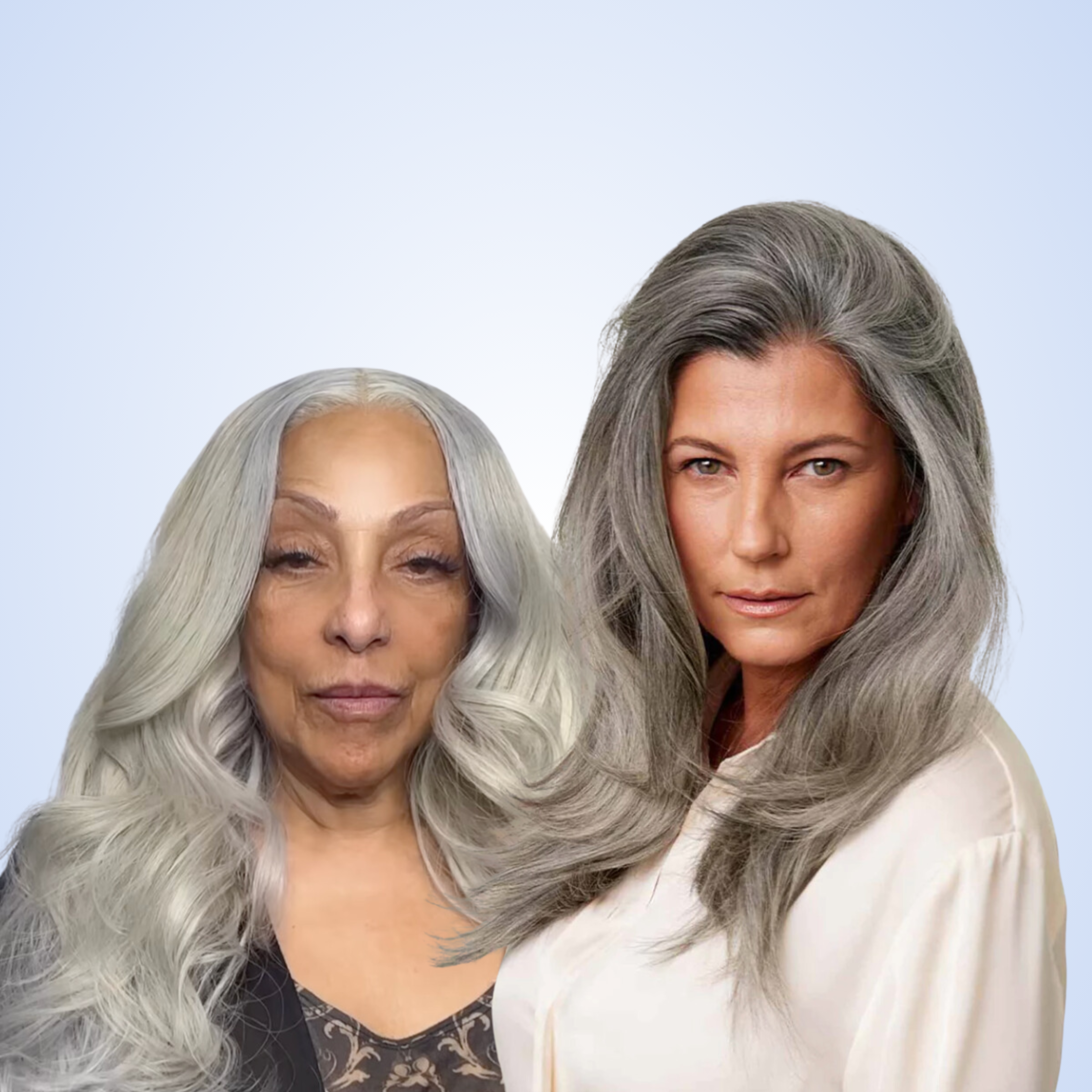
Many also turn to wigs as the age because they may loose hair, their hair becomes thin or because they want to cover up grey hair without dying their natural hair. We here are all for the grey look and even love any grey wigs we see (like look at this one we're obsessed). 


Leave a comment

This site is protected by hCaptcha and the hCaptcha Privacy Policy and Terms of Service apply.

All comments are moderated before being published.

Read more

Love Island UK Black Female Cast

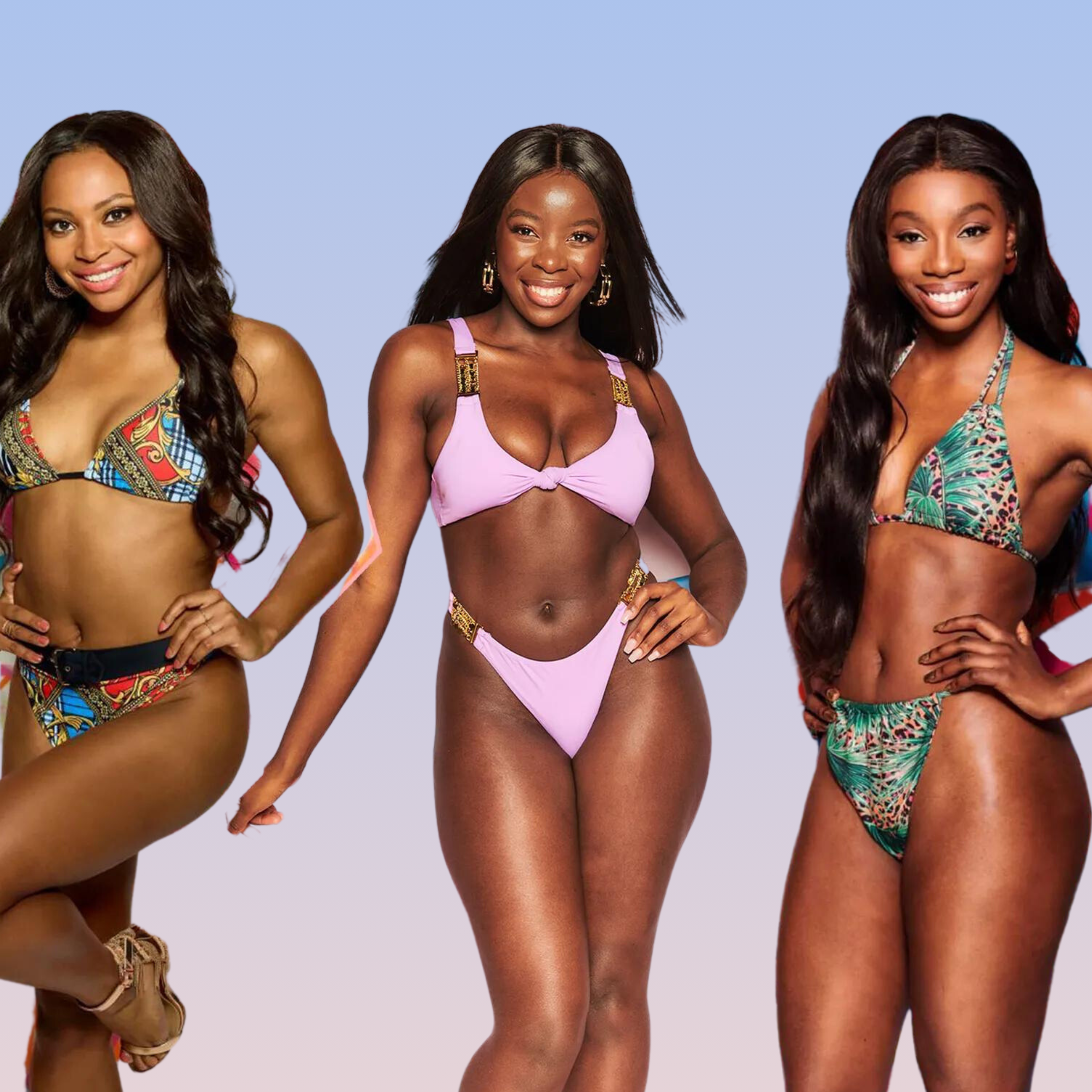
Love Island UK contestants - A Wigs Perspective

Love Island UK is the show everyones hates that they love to the point that the show's popularity has expanded past the UK and is beloved internationally (often referred to as the best show within...

Read more
Fighting for Affordable Wigs to those who Medically need them

Fighting for Affordable Wigs to those who Medically need them

If you've turned to wigs because of a variety of health issues such as cancer treatments, alopecia, and other hair loss related issues we're sure you've experienced the shock that comes with findi...

Read more
Find Your Cap Size
Setup
01 Circumference
02 Front to Nape
03 Ear to Ear
Your Size
Setup

Before you start

What you need

Get this right
from the start

Most fit problems trace back to how the measurement was taken, not the number itself.

A soft fabric measuring tape — metal tapes give inaccurate readings.
With or without wig cap? If you plan to wear one, measure with it on.
Snug, not tight. The tape should sit firmly but not indent your skin.
A mirror or a friend. A second set of hands improves accuracy.
Circumference

Step 01 · Primary measurement

The anchor

Circumference

Place the tape around your head at the hairline — approximately ¼ inch above your eyebrows and ears. Bring it around the back at the base of your skull. Keep the tape parallel to the floor the entire way around.

Why it mattersThis is the primary anchor. When you're between sizes, circumference is always the tiebreaker.
Common mistakeTipping the tape up at the back. Keep it level all the way around.
Enter your circumference
inches

This number takes precedence

Front to Nape

Step 02 · Secondary measurement

Nape comfort

Front to Nape

Start at your natural hairline at the center of your forehead. Run the tape back over the crown to the nape of your neck where your hairline ends. Let the tape follow the curve of your head.

Why it mattersDetermines nape comfort over a full day. If slightly short, you'll feel it by afternoon.
Common mistakeStarting from the scalp instead of the hairline. Always begin at the hairline.
Enter your front to nape
inches

Affects nape comfort over long wear

Ear to Ear

Step 03 · Secondary measurement

Front stability

Ear to Ear

Begin at the top of one ear where it starts to curve. Bring the tape up and over the crown to the same point on the opposite ear. The tape runs across the top of your head, not around it.

Why it mattersControls whether the front stays in place. If too small, the wig will gradually ride back over the course of the day.
Common mistakeStarting at the earlobe instead of the top curve. This adds length unnecessarily.
Enter your ear to ear
inches

Determines front stability and placement

Your recommended cap

Retake measurements

Understanding your size

Your cap has a range

The adjustable back strap gives you roughly half an inch of flexibility in each direction.
If you're between sizes, sizing up always works — a slightly larger cap adjusted with the strap fits better than a slightly small one.
A full day of wear tells you more than 10 minutes. Nape comfort reveals itself over hours.

On comfort and security

A well-fitting wig should feel comfortable — not tight, not grippy.

"Comfortable is correct.
Tight is not security."

The Renatural
Shop