




6 Reasons Why Your Synthetic Wig Is Shedding And How To Prevent Them
Although synthetic wigs are higher in quality than they have ever been, they're still prone to shedding. Read on for some of the most common reasons behind the shedding of synthetic wigs and how you can prevent them.
Over Brushing
Although you should always regularly brush your wigs to keep them tangle free, excessive brushing can actually lead to more shedding. This is because synthetic wigs can be delicate and with excessive brushing, you may end up pulling out strands of hair that otherwise would not have shed.
The type of hairbrush you use can also impact the lifespan of your wig. For synthetic wigs, the best hairbrush to use is a paddle-type brush with wider teeth. These will allow you to gently and thoroughly detangle your wigs without causing further damage to them.
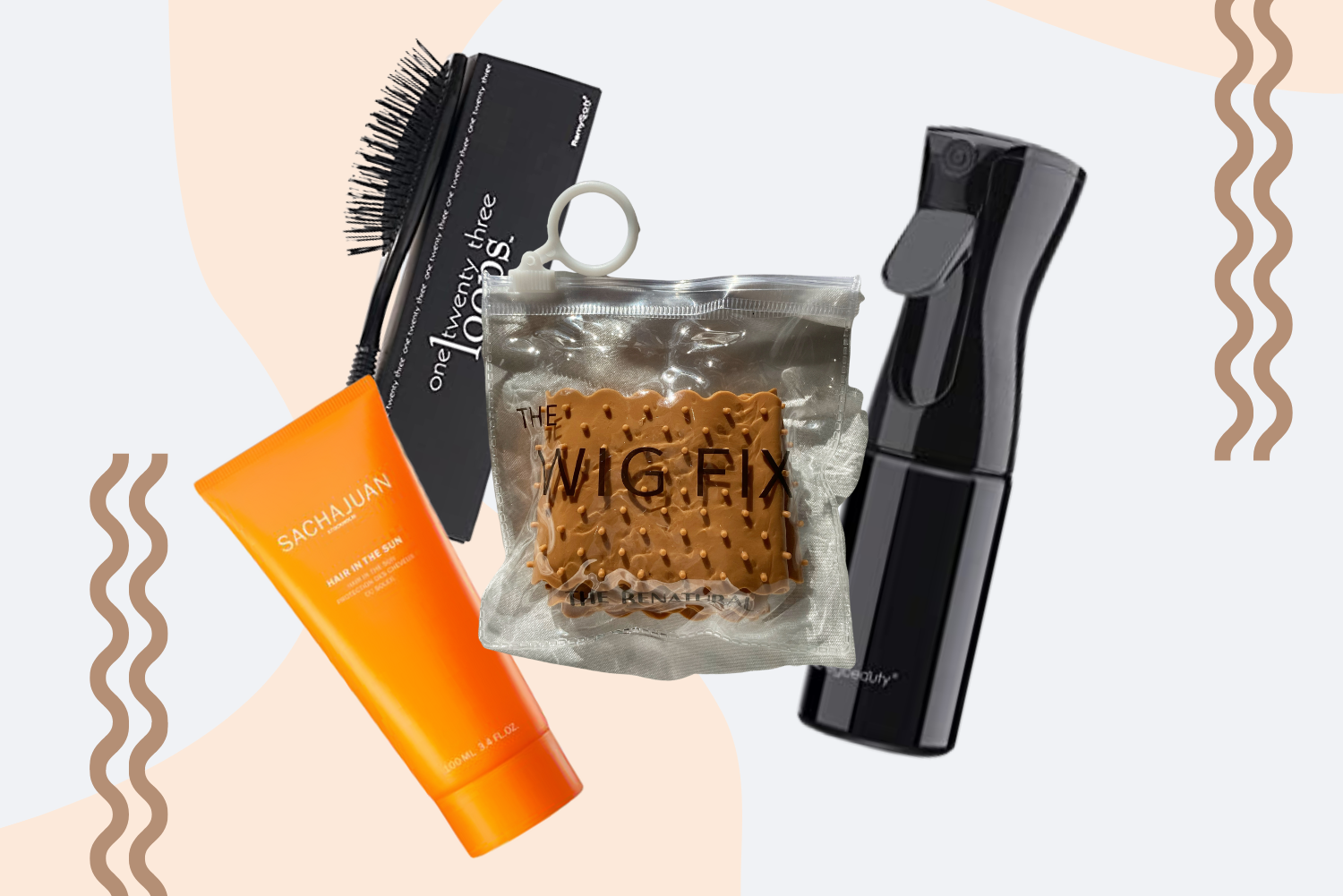
A brush like the RemySoft One Twenty Three Loops Loop Brush was designed for use with wigs and hair extensions, making it perfect for brushing your synthetic wigs.

Image | RemySoft One Twenty Three Loops Loop Brush
Always aim to brush your synthetic wig before and after wear, starting from the ends and working your way up the hair. If your synthetic wig is particularly tangled, first finger-comb any tangles and then go in with your brush. Sectioning the wig prior to brushing can also make a big difference in helping you correctly brush through and detangle your synthetic wigs.
Consistent, gentle brushing can help you extend the life of your synthetic wigs by preventing difficult tangles.
Not Attaching It Correctly
Glues, combs and clips are common and popular ways to attach wigs. However, they can actually cause damage to your natural hair, skin, and even the wig itself. Glue in particular can cause damage not only to hair/skin, but also the lace of the wig when used excessively. This in turn can loosen the hair attached to the lace and lead to shedding.
Instead of these archaic wig attachment methods, try the Wig Fix to secure your wig. Created by The Renatural, it's the first wig-related invention in 55 years and uses the concept of frictional adhesion to grip your wig in place.
This is made possible by the fact that the Wig Fix is made from 100% medical-grade silicone and designed with hundreds of small nodes on the band to allow it to keep wigs secured while protecting them from damage. It's also incredibly gentle on skin and natural hair to keep them protected.

Image | The Renatural
Using Human Hair Products On Synthetic Wigs
Unlike human wigs, synthetic wigs don't always react well to hair care products. While common haircare products are best used sparingly on human hair wigs, they can cause shedding, tangling and matting on synthetic wigs as they weren't designed for use on synthetic fibres.
But that doesn't mean you can't use any products at all on your synthetic wigs. Haircare products for synthetic wigs are becoming more common and can be a great way to help you maintain the look and quality of your synthetic wigs and even prevent them from shedding.
Hairobics offer a whole range of products formulated for use on synthetic fibres including a leave-in conditioning spray which is great for helping to keep your synthetic wig looking its best, as well as helping to prevent shedding on your synthetic wigs.
However, as with human hair wigs, always use products sparingly to avoid overloading your wig with products. Not only can excessive use of haircare products weigh down your synthetic wigs, it can also cause them to shed. Always use any products sparingly and with gentle care to prolong the life of your synthetic wigs.
Using Too Much Heat
Although the rising quality of human hair wigs has made it possible for hot styling tools to be used on them, this must always be done with care. If your synthetic wig can be heat-styled, this will be specified in the product description and/or the packaging of the wig.
Always make sure your synthetic wig can be heat-styled before attempting to use any heat tools on it. When using hot tools on synthetic wigs, also make sure you use them on as low a temperature as possible, otherwise you run the risk of causing your synthetic wig to shed or even melting the fibres altogether!
If possible, try to style your synthetic wigs without heat to keep them looking their best for as long as possible.
Not Washing Them Correctly
Just like human hair wigs, synthetic wigs need to regularly be washed too, otherwise you run the the risk of increased shedding, matting and an overall shorter lifespan for your wig.
When washing your synthetic wigs, always be gentle and try to use a shampoo and conditioner designed for use with synthetic wigs.
If you ever find that your synthetic wig is shedding more than usual or is looking a little dull, try using steam on it. When used correctly, steam can work wonders on synthetic wigs by giving them a natural shine, more movement, and loosening tangles.
Poor Quality
Although there are always steps you can take to reduce excessive shedding on your synthetic wigs like the ones shared above, if the synthetic wig is poor quality, it will shed more than one that's of a higher quality. So if you're planning on wearing your synthetic wig regularly, opt for one that's of a higher quality so it lasts you as long as possible. Here are some things you can look out for when buying synthetic wigs:
- Always read reviews—whether it's on the website, through Google or even YouTube videos, always try to look for reviews on the brand of the wig or the wig itself to help you find a high-quality synthetic wig.
- Don't be afraid to ask questions—if you're unsure about anything, get in touch with the brand selling the wig to ensure it's the right fit for your needs.
- Don't be put off by bad experiences—we've all had experiences with poor quality wigs. As the global wig and extensions industry is largely unregulated, it's not uncommon for brands and sellers to claim their wigs are a higher quality than they are. If you've ever had a bad experience with a wig, try not to let that put you off as you could have a much better experience with a different wig.

Will you be trying out these tips? Let us know in the comments!



1 comment
How do I stop it from shedding it’s curly hair and has sheded since I took it out of the bag
Valera
Leave a comment
This site is protected by hCaptcha and the hCaptcha Privacy Policy and Terms of Service apply.