

The Link Between Misogynoir And Wigs
When anti-Black racism and sex interlink, you're left with misogynoir. While some people would like to think it doesn't exist, it's a very real battle Black women are thrust into every day of their lives whether they actively know this or not and when it comes to the wearing of wigs, it always has a way of rearing its ugly head. As we wrap up our 4-part series in honour of Black History Month, we're delving a little into the relationship between misogynoir and wigs.

What Is Misogynoir?
First coined by writer, scholar and activist Moya Bailey, misogynoir defines the racist misogyny Black women experience. By blending the words misogyny and noir–the French term for the word black-misogynoir describes the very prevalent battles Black women face not only on the basis of their sex but also their race.
Examples of misogynoir include the everyday 'othering', dehumanising and vilifying of Black women for things women of other races are either rarely challenged on or even celebrated for. From being compared to tired tropes like the angry Black woman and the Mammy to elite athletes like Serena Williams and Caster Semenya having their achievements consistently questioned because they happen to be Black women, misogynoir is found in all levels of society and everyday life.
In the world of beauty, this is particularly still rife. Despite many brands and people wanting to see beauty as something that can be enjoyed by anyone regardless of their age, race, gender or sex, it is still plagued by centuries-old prejudices especially when it comes to the wearing of wigs.
What's The Link Between Misogynoir And Wigs?
To understand why misogynoir and the wearing of wigs have any significance to one another, it's important to firstly have a look at the history of Black women.
Black women's relationship with hair has always been deeply tied to colonial, white societal standards that have aimed to dictate their desirability in societies where they're often the minority.
With stories on Black women having their hair policed, politicised and even being denied jobs because of it, it's clear to see that hair choices for them can often carry a deeper meaning and be viewed negatively by others.
And wigs are no exception to this. Whether it's in relation to medical needs, as a protective style, simply for fun or all of the above, wigs have been used and worn by people around the world for centuries.
But while people from different backgrounds wear them, for Black women, there's always a level of disdain shown towards them for wearing wigs. Thanks to the racist assumption that Black women can't grow long, straight, healthy hair (which is false, by the way), wearing wigs can be seen as a form of self-loathing or even wanting to 'copy' women of other races who are more commonly known for having straight hair naturally.
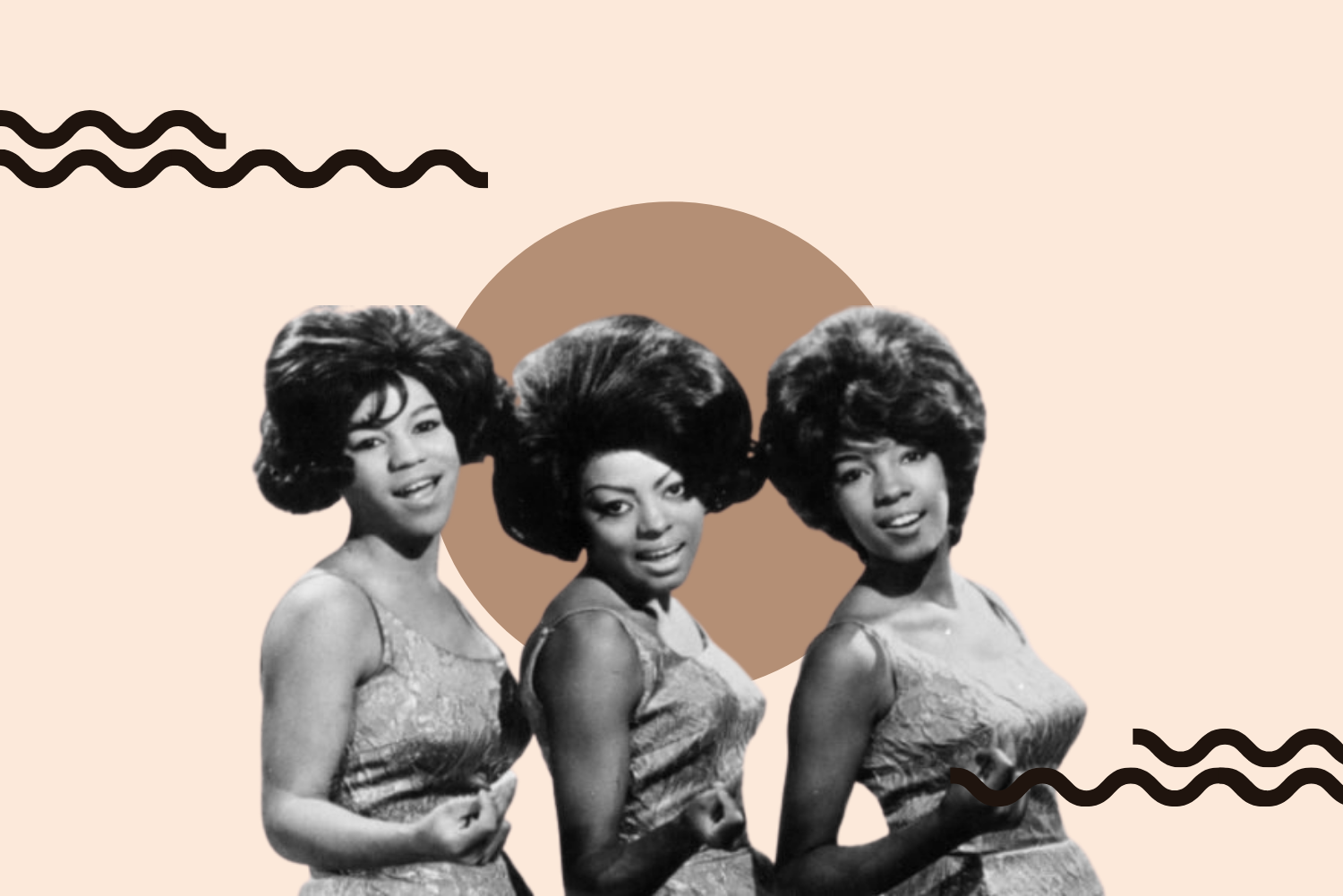
However, in recent years, non-Black women have been co-opting the styling and wearing of wigs first made popular by Black women. Trends like switching wigs for different events and occasions, dyeing parts of your hair a different colour particularly those that frame the face, and wigs emblazoned with designer logos reached mainstream popularity by Black drag queens and entertainers in the 90s. Fast forward to now, and white, racially-ambiguous people are being depicted as trailblazers for styles Black women had mastered years prior or are even mocking them outright.

Image | Codelist
And while you might think this treatment comes exclusively from non-Black people, it's also prevalent directly from other Black people.
Black men, in particular, have been known to partake in the mocking of Black women's wig-wearing because while they themselves are Black, internalised hate and prejudice leads some to put their manhood before their Blackness. By taking part in this mocking of Black women and their wigs, they are–whether knowingly or unknowingly–aligning themselves with the people who have historically been the ones to oppress those who look like them. Ultimately, this is about power dynamics; by perpetuating these stereotypes themselves, it gives non-Black people the impression that if other Black people, and Black men at that, are doing it too, then there's no harm caused. It's similar to the idea that because Black musicians say the n-word in their music, it's okay for them to say it too–"If they do it, why can't I".
Similarly, Black women themselves have also been guilty of perpetuating misogynoir in relation to Black women wearing wigs. This particularly stems from internalised feelings years of teaching from others, media and first-hand experiences have instilled within them. When you're constantly told you're not good enough because your natural hair doesn't look like that of the women you see hailed as conventionally attractive, it can cause great harm to how you view yourself and others like you. Bailey herself has said that "Internalized misogynoir can happen to anyone...Don’t assume it’s only white people or men creating the damaging images."
This can also manifest itself in Black women who only wear their natural hair seeing themselves as 'superior' to those that wear wigs. Stemming from the false idea that Black women wear wigs because they wished they were white, Black women who only wear their natural hair can view themselves as more 'educated' or 'true to themselves' because they don't wear wigs. In reality, there is no one size fits all as to why someone chooses to wear wigs and projecting these ideas onto them, can be a reflection of internalised misogynoir.
Can We Ever Stop Misogynoir?
To be brutally honesty–no. At least, not any time soon. Misogynoir stems from a system of thought that has been purposefully and carefully built over centuries and even millennia to demoralise and dehumanise Black women. This system is still upheld today so abolishing it will take a very long time but here are some things we can do to help curb misogynoir:
- Educate yourself more on the subject
- Call it out when you witness it
- Be critical about the information you consume
Ultimately, wigs are made to be enjoyed by everyone and we hope to see more Black women freely enjoying the wonders of wearing wigs without having to suffer the misogynoir that so often comes with it.
This was a quick look into some of the links between misogynoir and wigs. Have you ever expected Misogynoir due to wearing wigs? Share your experiences and thoughts in the comments!


Leave a comment
This site is protected by hCaptcha and the hCaptcha Privacy Policy and Terms of Service apply.